
Rural Missouri hunting properties

Buy the ground you’ll hunt—and be proud to own

For hunters around Quincy, Hannibal, and Keokuk who want more than a seasonal lease: explore rural Missouri land with the habitat, access, recreation, and long-term utility to become a lasting part of your life.

  • Missouri hunting and recreational listings
  • Serving buyers across the Quincy–Hannibal–Keokuk region
  • Local land knowledge from Boyer Land Company
Habitat
Food, water, cover, edge, and travel corridors
Ownership
Recreation, land use, access, and future potential
Four ways to evaluate a hunting property

Separate attractive acreage from land that truly fits the mission

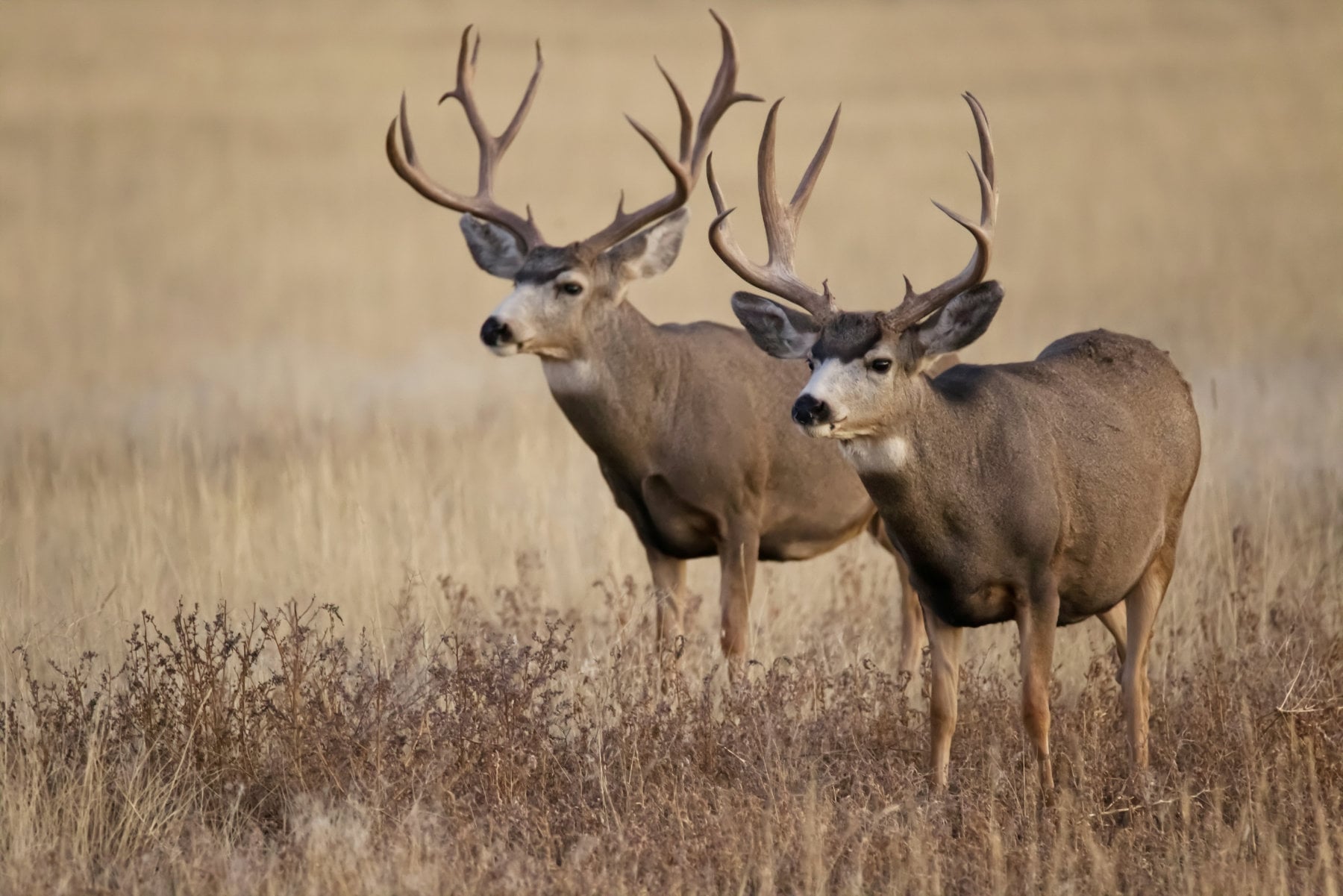
Whitetail habitat potential

Study the balance of food, water, timber, brush, bedding cover, openings, funnels, pinch points, and neighboring habitat—not one feature in isolation.

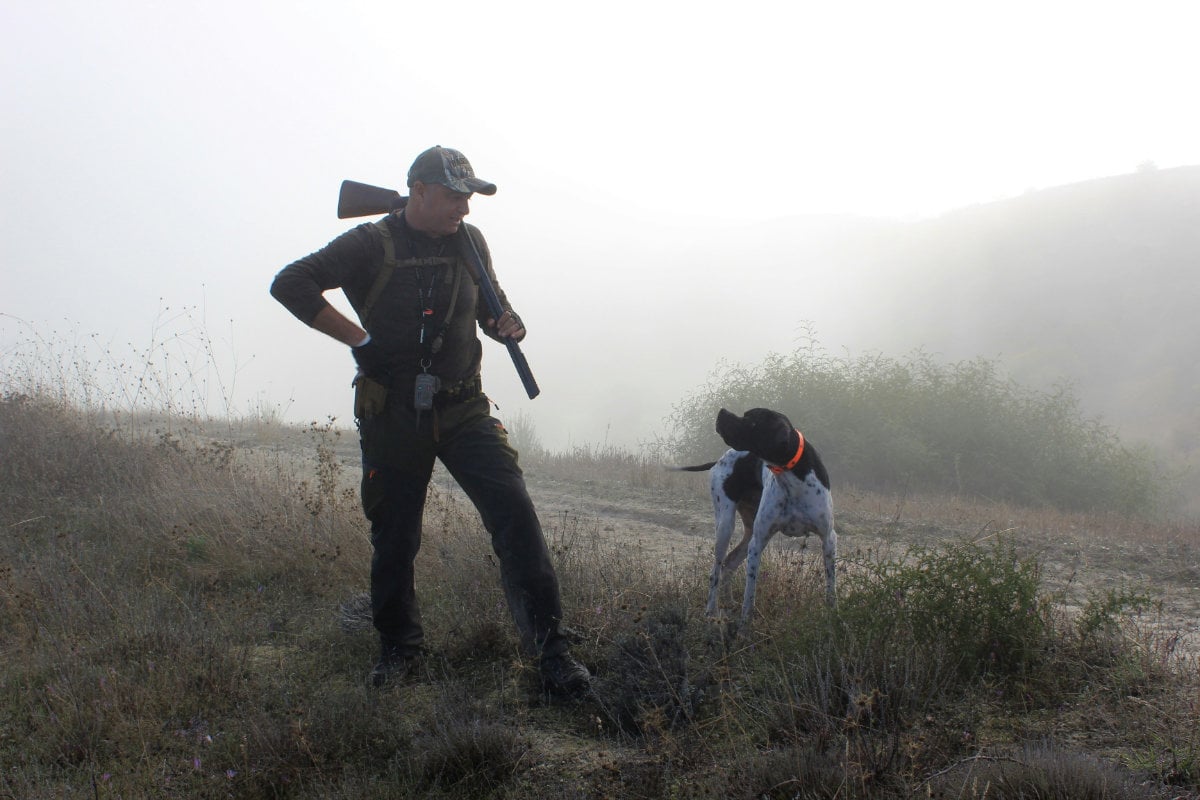
Access and huntability

Review wind-sensitive entry, road frontage, internal trails, terrain, stand options, pressure points, and how different parts of the farm can be hunted.

Land-use and income potential

Ask how tillable ground, CRP, pasture, timber, leases, or other uses may support the property, subject to contracts, costs, and professional review.

Long-term ownership fit

Consider improvements, upkeep, taxes, utilities, possible building sites, family recreation, surrounding ownership, and eventual marketability.

Start with the mission, not the acreage count

A practical path to your Missouri hunting property

For hunters who want to own the opportunity

The best property is the one that fits both your hunting plan and your ownership plan

Maybe you want a smaller tract close enough for frequent hunts. Maybe you are searching for a North Missouri farm with crops, thick cover, water, and room for a cabin. Or perhaps the goal is a multi-use land asset your family can hunt, improve, and enjoy for years.

Boyer Land Company’s hunting listings span different acreages and property mixes, helping buyers compare land through both a hunter’s eyes and an owner’s eyes.

  • Travel time from Quincy, Hannibal, Keokuk, or home
  • Food, water, bedding cover, edge, and seasonal movement
  • Road access, internal trails, utilities, and improvements
  • Tillable, CRP, timber, recreation, or building potential
Read the land before you buy it

A good deer farm is a complete system—not just a pin on a map

Acreage alone does not tell you how a property will hunt or how well it will fit your ownership plan. The strongest candidates bring together habitat, entry routes, neighboring land use, water, income possibilities, improvements, and room to shape the property over time.

Habitat that works together

Look beyond timber percentage to the relationship among bedding cover, food, water, openings, creek corridors, draws, and transition edges.

Access that protects the hunt

Road frontage, internal trails, terrain, and entry options can determine whether you can reach a stand without disturbing the areas you want deer to use.

Land with more than one job

Tillable acres, CRP, pasture, timber, ponds, buildings, or a future homesite may add practical uses beyond the hunting season.

A fit for your ownership horizon

Consider maintenance, taxes, improvements, distance from home, family use, resale factors, and the work required to reach your goals.

Whitetail hunting land FAQ

What to ask before buying rural Missouri hunting ground

Boyer Land Company features hunting and recreational land in Missouri, including properties in northern and northeastern counties within reach of buyers from the Quincy, Hannibal, and Keokuk tri-state area. Available locations change, so review the current hunting listings for the latest inventory.

Hunters commonly evaluate food, water, bedding and security cover, timber, brush, edges, draws, funnels, neighboring habitat, access, hunting pressure, and the ability to enter and exit for different winds. No property can guarantee deer activity or hunting results.

Some properties include tillable acreage, CRP enrollment, pasture, timber, leases, or other potential revenue sources. Income depends on the tract, active contracts, management, markets, expenses, and legal or program requirements. Verify all figures and consult qualified advisers before buying.

Review boundaries, title, legal and physical access, easements, restrictions, taxes, surveys, utilities, water, improvements, leases, government programs, environmental conditions, and whether your intended uses are allowed. A property visit and independent due diligence are essential.

Land loans may have different down-payment, appraisal, term, rate, and qualification requirements than residential mortgages. Speak with lenders experienced in rural and recreational property early so your search reflects realistic financing.

Select any property button on this page to visit Boyer Land Company’s current hunting inventory. Listings, prices, acreage, property status, and features can change, so confirm current details directly with the company.

Your property brief can start with five things

Tell Boyer what your ideal hunting property needs to do

Share your target area, budget, acreage range, maximum drive time, hunting priorities, preferred land-use or income features, and whether you need a cabin, utilities, or future building potential.

Call Boyer Land Company Find Hunting Land